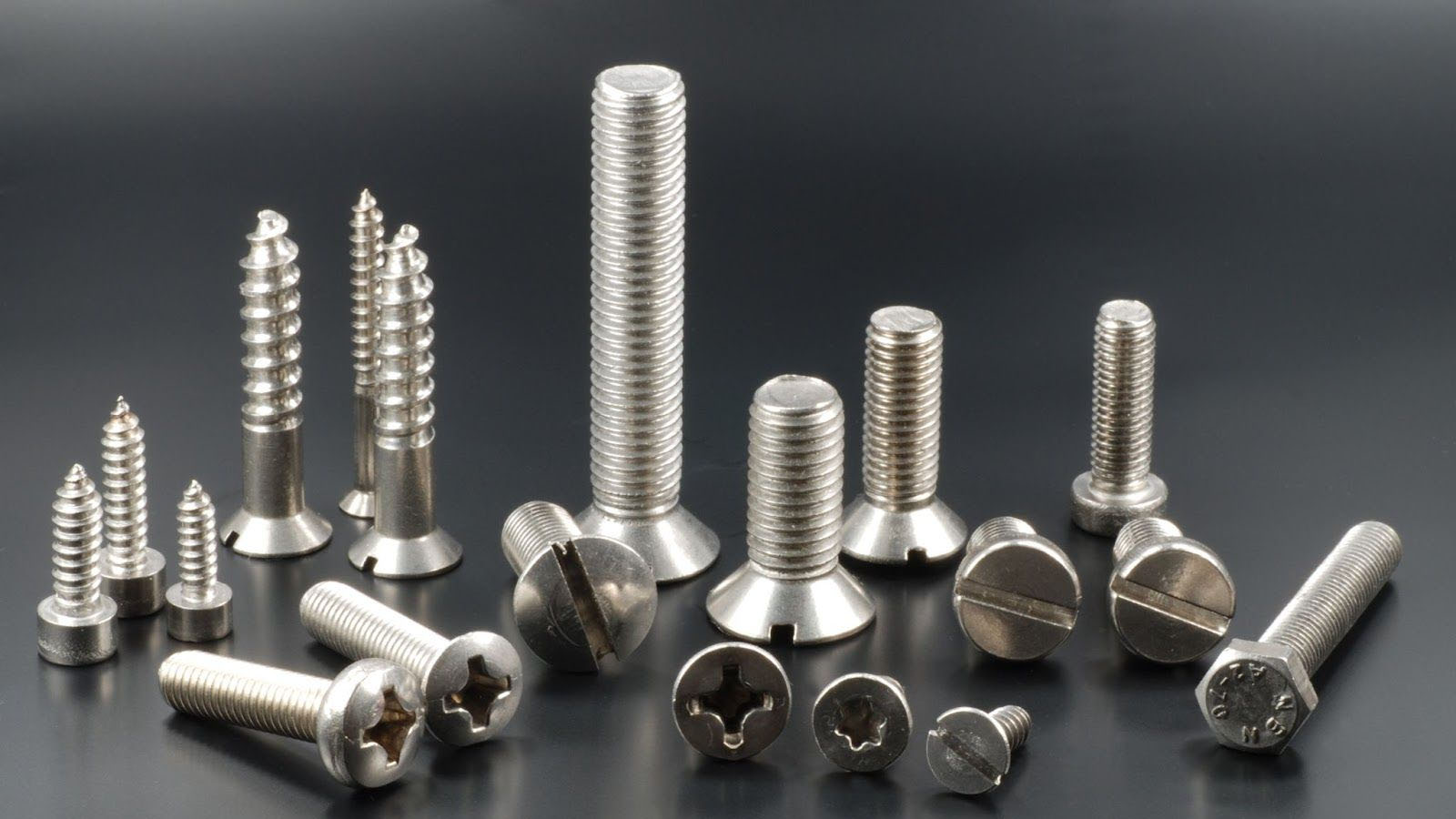
Realbolt Engineering Industries is a prominent manufacturer and supplier of precision-engineered screws designed for a wide range of industrial applications. With over 30 years of experience, we specialize in providing top-quality screws for demanding industries such as Oil & Gas, Petrochemical, Construction, Automotive, and Heavy Engineering.
Our screws are manufactured using premium-grade raw materials and advanced manufacturing techniques, ensuring strength, durability, and dimensional accuracy. Available in a range of materials, sizes, threading types, and coatings, our screws are designed to provide reliable performance in challenging environments such as high temperatures, high pressures, and corrosive conditions.
Realbolt Engineering Industries offers a broad selection of industrial screws, available in various types, sizes, materials, and threading configurations to meet international standards and application requirements.
| Specification | Details |
|---|---|
| Standards | ASTM A193, ASTM A307, ISO 4014, ISO 4017, DIN 931, DIN 933, BS 3692, ASME B18.2.1 |
| Sizes | M3 to M100 | 1/8" to 4" (Custom sizes available on request) |
| Thread Types | Metric, UNC, UNF, BSW, BSF, ACME, Left-Hand Threads |
| Types | Machine Screws, Self-Tapping Screws, Wood Screws, Drywall Screws, Set Screws, Lag Screws, Socket Head Screws |
| Lengths | 10 mm to 1500 mm | 3/8" to 60" |
| Head Styles | Flat Head, Pan Head, Round Head, Oval Head, Hex Head, Socket Head, Truss Head, Countersunk |
| Coatings | Plain, Zinc Plated, Hot Dip Galvanized (HDG), PTFE Coated, Xylan, Black Oxide, Phosphate Coated |
| Certifications | EN 10204 3.1 / 3.2, NACE MR0175, RoHS Compliance, Third-party Inspection Available |
Hex Cap Screws are high-strength fasteners designed with a hexagonal head and used in a wide range of industrial applications. They are known for their robust design, offering superior torque and a secure fit. These screws are typically used where secure fastening is required, such as in machinery, equipment assembly, and structural applications. The hexagonal head allows for easy use with a wrench or socket tool, ensuring a strong, reliable connection.
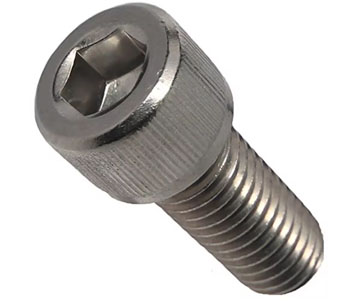
Socket Cap Screws are fasteners with a cylindrical head and an internal hexagonal drive, designed to be used with an Allen wrench or hex key. They offer a sleek, low-profile design and are commonly used in applications where a standard hex head would not fit or be aesthetically desired. Socket cap screws are widely used in machinery, automotive, and construction applications due to their high strength and versatility. They are available in various materials and finishes to meet the specific needs of different industries.
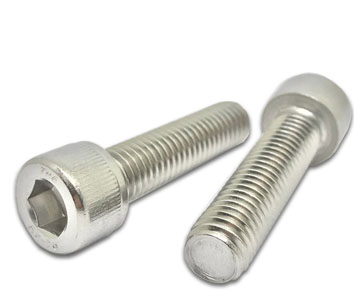
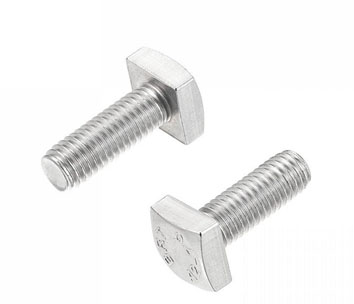
Square Head Screws feature a square-shaped head, designed to be turned with a square wrench or socket. They provide more torque than standard round or hex screws and are ideal for applications where high clamping force is required. Their square shape also prevents the fastener from slipping when tightened, making them suitable for industrial machinery, heavy equipment, and construction applications.
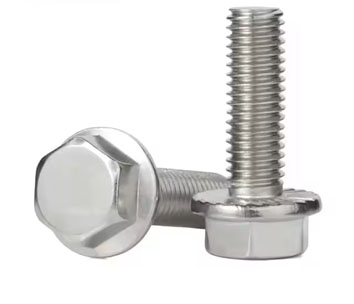
Flange Head Screws are designed with a built-in flange beneath the head, which acts as a washer. This design allows for better load distribution and minimizes the need for additional washers during assembly. These screws are commonly used in applications where vibration or stress can cause standard screws to loosen. The flange head provides a larger bearing surface, making them ideal for applications in automotive, construction, and machinery assembly.
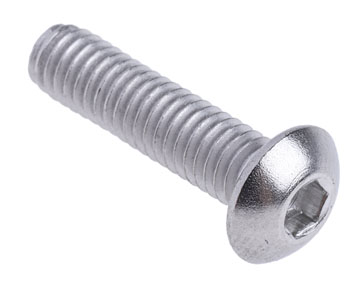
Button Head Screws have a low, rounded head shape that provides a smooth appearance and a larger surface area for improved load distribution. The unique design of the button head makes these screws suitable for applications where space is limited or where an aesthetically pleasing finish is required. These screws are commonly used in automotive, electrical, and machinery applications, offering easy installation and reducing the risk of damage to surrounding surfaces.
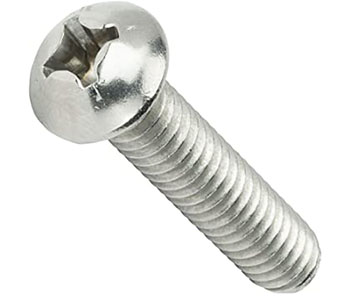
Round Head Screws feature a domed, rounded head shape that provides a smooth and finished appearance, making them ideal for use in applications where aesthetic appeal and ease of installation are key. The rounded head also distributes pressure evenly, reducing the likelihood of damage to softer materials. These screws are widely used in applications ranging from electrical fixtures to furniture and decorative items.
Oval Head Screws feature a unique, slightly rounded head with a small protrusion, providing both aesthetic appeal and a higher level of security when installed. The oval shape of the head gives the screw a more decorative look, making it ideal for applications where both functionality and appearance matter. These screws are commonly used in decorative applications, electrical fixtures, and precision machinery.
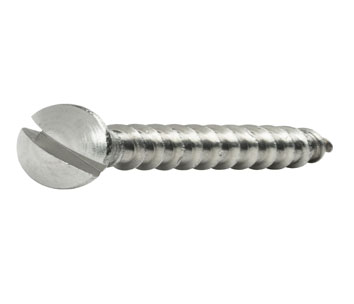
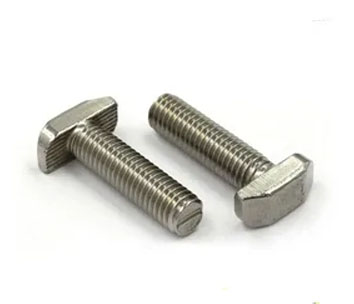
Hammer Head Screws are uniquely designed screws with a wide, flat head that resembles the shape of a hammer. This design allows for increased torque and a secure grip, making them perfect for heavy-duty applications where a strong fastening is required. They are typically used in machinery, industrial equipment, and automotive applications, offering ease of installation with tools that can securely grip the wide, flat surface of the head.
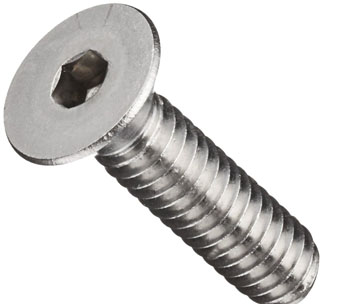
Flat Head Screws feature a low-profile, flat-shaped head designed to sit flush with the surface once installed. This makes them ideal for applications where a smooth, clean finish is required. These screws are commonly used in precision machinery, automotive parts, and furniture manufacturing where the screw head needs to be recessed into the material, providing a neat and secure fastening.
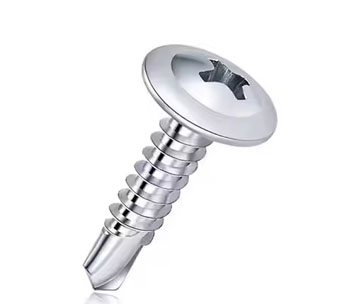
Truss Head Screws are designed with a low-profile, large-diameter, and slightly rounded head. They provide a wider bearing surface, which helps distribute the load evenly over a larger area, reducing the likelihood of damage to the surface. Truss head screws are ideal for applications where a large bearing surface is required, such as in sheet metal work, electronics, and low-clearance areas.
Dome Head Screws feature a rounded, dome-like head design that is ideal for applications requiring an aesthetically pleasing and smooth appearance. The rounded head also provides an increased surface area for distributing the load evenly, making them ideal for use in applications with moderate pressure or where a smooth finish is necessary. Dome head screws are commonly used in automotive, furniture, and decorative applications.
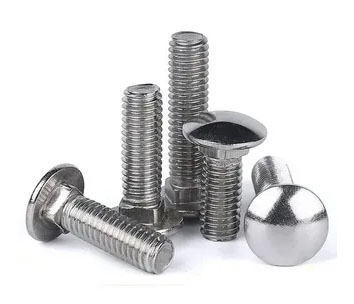
Pan Head Screws feature a wide, flat, and slightly rounded head, which gives them a distinctive, aesthetically pleasing appearance. The large, smooth head is ideal for applications requiring a broader surface area for load distribution and provides a neat finish when flush mounted. These screws are commonly used in electrical, automotive, and general-purpose applications, providing strong clamping forces and ease of installation.
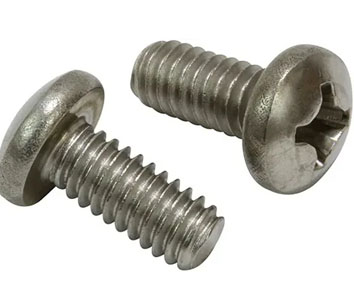
Cheese Head Screws have a distinctively low, flat, and wide head that resembles the shape of a cheese wheel. They provide a larger surface area for a tight and secure fastening, making them ideal for use in applications where space is limited. The thin, low-profile head is particularly useful when a flush or close-fitting fastener is required. These screws are commonly used in electronics, appliances, and other machinery where aesthetic and functional design is important.
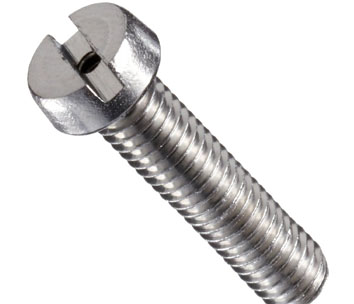
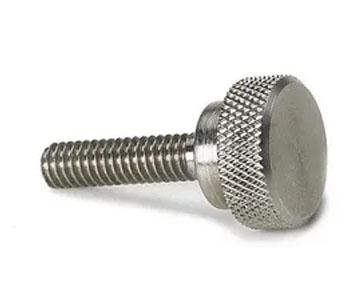
Knurled Head Screws feature a textured or patterned surface on the head, providing a secure grip for manual tightening without the need for tools. The knurling enhances the screw's ability to be turned by hand, making them ideal for applications where frequent adjustments or removal is needed. These screws are commonly used in applications requiring quick, tool-free adjustments, such as in electrical components, control panels, and mechanical assemblies.
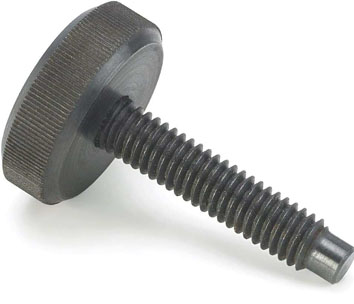
Mushroom Head Screws are characterized by a wide, rounded head that resembles the shape of a mushroom. The broad, flat design of the head provides a larger surface area, offering a better grip and distributing the pressure more evenly over the material being fastened. These screws are ideal for applications where a low-profile, smooth appearance is needed, or where the screw head should not protrude above the surface. They are commonly used in decorative or non-load-bearing applications in industries such as furniture, automotive, and electronics.
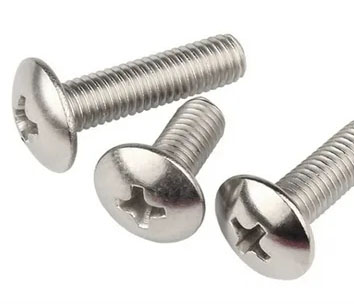
Fillister Head Screws have a distinct, slightly rounded head with a deep, cylindrical recess that allows for a higher torque when fastening. This head style is particularly useful when a larger bearing surface is needed for heavy-duty applications. Their design also provides a good grip, making them ideal for machinery or high-stress components. Fillister Head Screws are commonly used in electrical, mechanical, and automotive applications, especially when a precise and secure fastening is required.
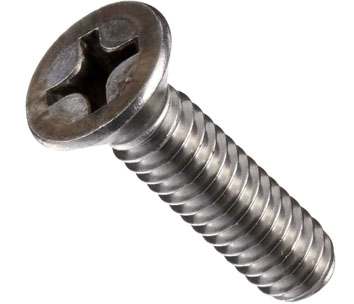
T-Head Screws are designed with a head that forms a "T" shape. This unique design allows for easier insertion and secure fastening, particularly in narrow or confined spaces. T-Head Screws are often used in applications where the screw needs to be held in place while being fastened. They provide excellent resistance to loosening due to their unique shape, which distributes the load evenly. These screws are commonly used in machinery, construction, and automotive industries.
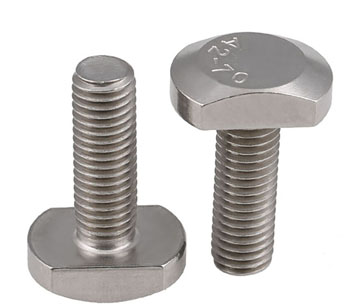
Countersunk screws feature a flat or cone-shaped head designed to sit flush with the surface when installed. The head's unique shape ensures that the screw does not protrude from the surface, providing a smooth finish and preventing any obstruction or damage. These screws are ideal for applications where a sleek, professional appearance is required, as well as in environments where clearance space is limited, such as in electronics, automotive, and furniture industries.
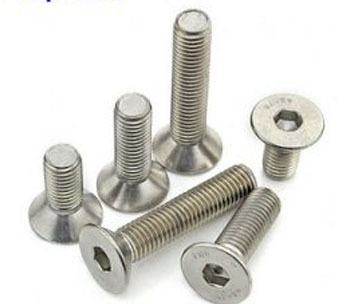
Set screws are fully threaded screws that are typically used to secure an object within or against another object, often without the need for a nut. Unlike regular screws, set screws do not have a traditional head; instead, they feature a flat, cone, or cup-shaped end, designed to apply pressure directly onto the workpiece. These screws are commonly used to secure items like pulleys, gears, or collars to shafts, ensuring they remain in place without any movement.
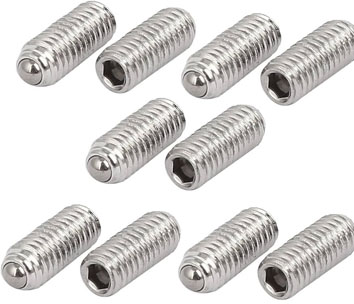
Coach screws, also known as lag screws, are heavy-duty fasteners designed for fastening timber and other thick materials. They are characterized by a large, hexagonal head and a coarse thread that allows them to be driven into wood or other materials with ease. Coach screws typically feature a partially threaded shank, making them ideal for use in applications where a high level of clamping force is required. These screws are commonly used in construction, outdoor furniture, and for securing large structures such as beams or posts.
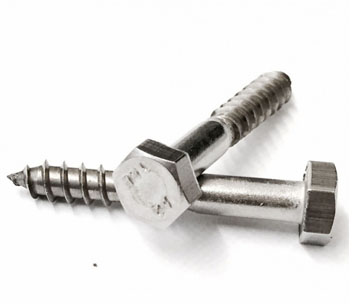
Mating screws, often referred to as machine screws, are designed for use in mechanical assemblies where precise fastening and alignment are required. These screws typically feature a cylindrical shaft with a threaded portion and are commonly used to connect parts within machinery, electronics, and appliances. Mating screws are typically paired with nuts or threaded holes for secure fastening, ensuring the reliable connection of components. They are available in various thread types and lengths to meet specific engineering requirements.
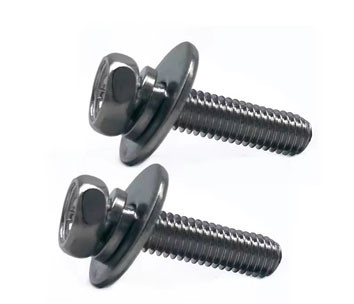
Wood screws are specifically designed for fastening wood to wood or other materials, with a tapered body that allows for strong holding power. These screws have a pointed tip, which helps them easily penetrate wood surfaces without the need for a pilot hole. Wood screws feature threads that extend from the tip to the head, providing a tight grip for secure fastening. They are commonly used in furniture construction, cabinetry, and general woodworking applications, ensuring a firm and long-lasting bond between wooden parts.
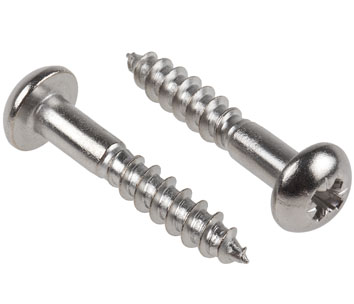
Butterfly screws, also known as wing screws or wing bolts, are specialized fasteners that feature a unique wing-shaped head, allowing for easy manual tightening and loosening without the need for tools. These screws are ideal for applications where frequent adjustments or removals are required, as their design enables a secure grip and quick installation or removal by hand. Commonly used in machinery, electrical enclosures, automotive panels, and other areas where accessibility and convenience are important, butterfly screws offer a practical solution for user-friendly fastening.
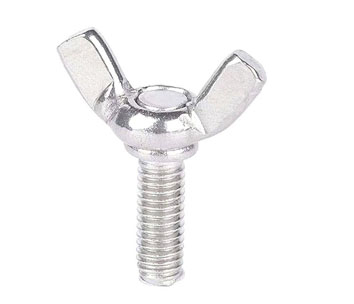
Self-drilling screws, also known as SMS (Self-Drilling Screws), are designed with a drill point that allows them to drill their own hole in materials such as metal, wood, or plastic, eliminating the need for pre-drilled holes. These screws are particularly useful for applications where speed and ease of installation are critical. The self-drilling capability makes them ideal for use in sheet metal, roofing, and other applications where precision and efficiency are required. These screws are available in a wide range of sizes, coatings, and materials to suit various environmental conditions and application needs.
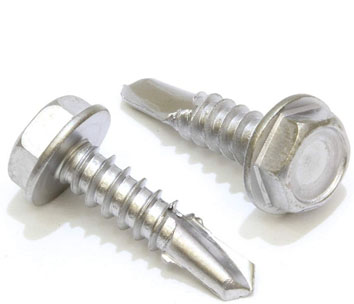
Thread cutting screws are designed with sharp, precision-machined threads that cut into the material, forming a mating thread. These screws are ideal for use in materials that do not have pre-existing threads, such as plastics, soft metals, and wood. Thread cutting screws eliminate the need for tapping or drilling, offering ease of use and faster assembly times. They are particularly useful in applications where a strong, secure connection is needed but where traditional thread formation methods are not feasible or desirable.
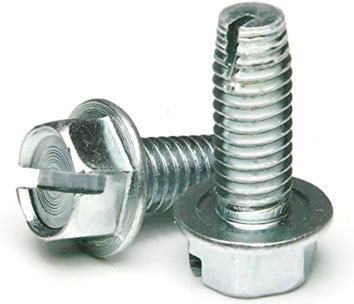
Thread forming screws, also known as thread rolling screws, are designed to create their own threads in the material without removing material. These screws deform the material to form a mating thread, providing strong, vibration-resistant connections. Unlike thread cutting screws, thread forming screws are used in materials that are ductile enough to be displaced, such as soft metals, plastics, and wood. They are ideal for applications where high pull-out resistance and fatigue resistance are required.
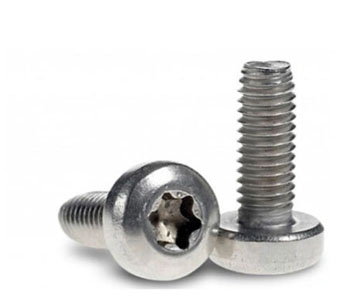
Thumb screws are designed to be installed and removed without the need for tools. Featuring a wide, flat head, these screws can be turned by hand, making them ideal for applications where frequent adjustments or removals are required. Commonly used in machinery, equipment panels, and electronic enclosures, thumb screws provide ease of use in low-torque applications, where tool-free operation is essential.